
Understanding Integrated Moving and Storage Solutions
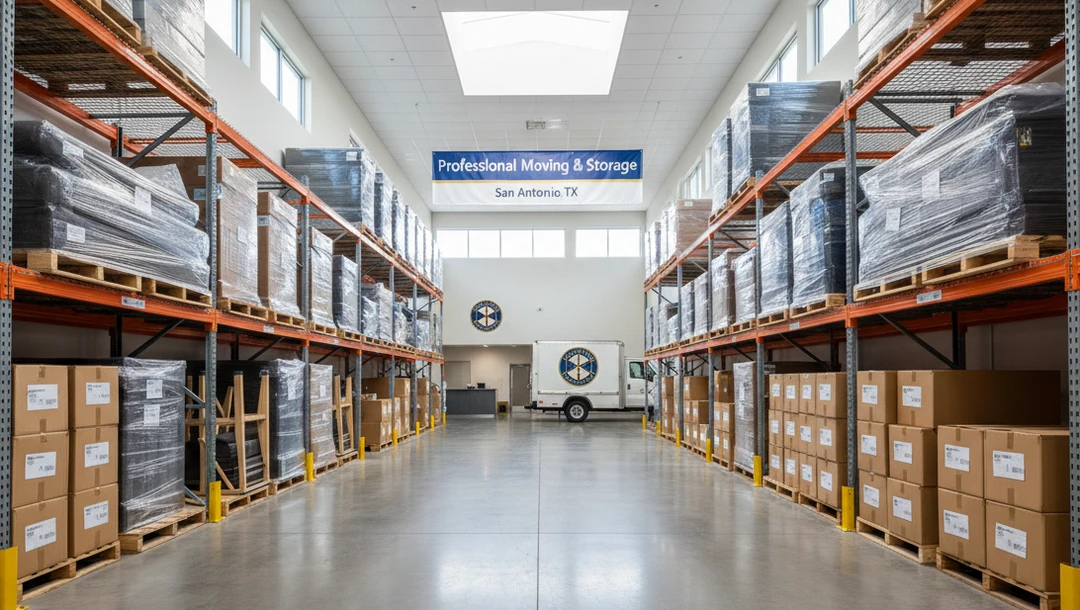
When facing a relocation that requires temporary housing for your belongings, integrated moving and storage solutions eliminate the complexity of coordinating separate providers. This approach combines transportation, secure warehousing, and inventory management into a single streamlined process. Rather than hiring one company to move your items and another to store them, integrated services handle every aspect from initial packing through final delivery.
The advantages become particularly apparent during transitional periods. Consider situations where your new residence isn’t ready for occupancy, you’re downsizing and need time to decide what to keep, or you’re staging a home for sale and require furniture removal. In these scenarios, your belongings move directly from your current location into climate-controlled storage without multiple handling points that increase damage risk.
San Antonio’s housing market often creates timing challenges between closing dates, with many residents finding themselves between properties during peak summer moving season. Integrated services adapt to these realities by offering flexible storage terms that align with your actual timeline rather than forcing you into rigid monthly contracts. Your possessions remain accessible when you need to retrieve specific items, while the remainder stays securely stored until you’re ready for complete delivery.
This coordinated approach also simplifies record-keeping and accountability. You maintain a single point of contact throughout your relocation, receive unified inventory tracking, and work with one team familiar with your specific needs and preferences. When questions arise about item location or delivery scheduling, you avoid the frustration of navigating between multiple companies with separate systems and conflicting information.
Choosing the Right Storage Duration and Facility Features
Storage duration requirements vary significantly based on your specific circumstances, making flexibility essential when selecting a facility. Short-term storage typically spans one to three months and suits situations like home renovations, temporary job relocations, or gap periods between property transactions. Medium-term storage extends from three to twelve months and often accommodates extended renovations, military deployments, or prolonged property searches. Long-term storage exceeding one year serves those with downsizing transitions, overseas assignments, or inherited items requiring future decisions.
Climate control stands as the most critical facility feature for South Texas storage. San Antonio’s summer temperatures regularly exceed 95 degrees with humidity levels that promote mold growth and material degradation. Climate-controlled units maintain consistent temperature and humidity levels, protecting wood furniture from warping, preventing electronics corrosion, safeguarding important documents, and preserving fabric items from moisture damage. The moderate additional cost proves worthwhile when protecting valuable belongings from the region’s challenging environmental conditions.
Security features warrant careful evaluation when comparing storage facilities. Modern warehouses employ multiple protection layers including perimeter fencing with controlled access gates, continuous video surveillance systems, individual unit alarms, and on-site security personnel during business hours. Your belongings should be stored in a facility with documented security protocols and regular monitoring rather than older buildings with basic lock-and-key systems.
Accessibility policies determine how easily you can retrieve items during the storage period. Some facilities offer 24/7 access, while others maintain business-hour restrictions. Consider your potential needs realistically. Will you require frequent access to stored items, or can you plan retrievals during standard weekday hours? Higher accessibility typically correlates with increased costs, so match the access level to your actual requirements rather than paying for convenience you won’t use.
Preparing Items for Extended Storage Periods
Proper preparation before storage is essential for protecting belongings and ensuring they remain in excellent condition while in storage. Regardless of the item type, the key principles are cleaning, protecting, and organizing items so they can be easily retrieved and used later without damage.
Furniture and appliances require special attention before storage. Furniture should be thoroughly cleaned, disassembled when possible, and wrapped in breathable materials to prevent moisture buildup and structural stress. Cushions should be stored separately, and leather furniture should be conditioned to avoid cracking. Appliances should be cleaned, dried completely, and prepared according to their type, with refrigerators stored slightly open and all water removed from machines to prevent mildew, odors, and mechanical issues.
Clothing, textiles, and other household items should be cleaned before storage to prevent fabric deterioration and pest infestations. Hanging garments are best kept in wardrobe boxes, while folded items should be packed in sturdy containers that allow airflow. Avoid long-term compression methods that can damage delicate fibers and reduce the lifespan of fabrics.
Valuable documents, photographs, media, and electronics need additional protection due to their sensitive and often irreplaceable nature. Store paper items in acid-free containers with moisture control products, preserve photographs in archival materials, and update digital media to current formats when possible. Electronics should be packed securely, preferably in original packaging, with batteries removed and equipment documented for insurance and future reference.
Coordinating Move Timing with Storage Transitions
Successful relocations involving storage depend on careful planning and coordination across multiple stages, including the initial move, the storage period, and final delivery. Managing schedules, logistics, and communication throughout each phase helps prevent delays, unexpected expenses, and unnecessary stress during the transition.
Planning should begin six to eight weeks before the move date to allow enough time for selecting a storage facility, booking moving services, and preparing belongings. Early scheduling is especially important during busy moving seasons when demand for storage and transportation services is highest. Creating a detailed inventory and separating items needed immediately from those destined for storage helps streamline both packing and unpacking.
Because relocation timelines often change, maintaining clear communication with your moving and storage provider is essential. Adjustments to closing dates, construction schedules, or employment timelines can affect delivery plans, and early notification allows providers to accommodate changes without creating scheduling conflicts or additional fees.
The final delivery stage requires the same level of preparation as the initial move. Confirm that the new property is ready, utilities are connected, and access requirements are understood before scheduling delivery. Professional moving and storage companies simplify the process by coordinating transportation, inventory management, storage, and final delivery, providing a seamless transition from start to finish.
Cost Factors and Budget Planning for Combined Services
Understanding the costs associated with moving and storage services is essential for creating an accurate relocation budget. Pricing depends on several factors, including storage space requirements, moving distance, service options, and insurance coverage. Knowing how these elements affect overall costs helps avoid surprises and supports informed decision-making.
Storage expenses are generally based on the amount of space needed for your belongings. An accurate inventory helps determine the right storage size, preventing you from paying for unused space. Climate-controlled storage often costs more than standard units but provides valuable protection for furniture, electronics, documents, and other items that can be damaged by heat and humidity.
Moving costs typically include labor, transportation, packing materials, and distance-related expenses. Local moves are often charged by the hour, while long-distance relocations are usually based on shipment weight and mileage. Additional services such as specialty item handling, vehicle transport, or custom crating can increase overall costs depending on the complexity of the move.
Professional packing services can add to the total budget but often provide significant value through time savings and reduced risk of damage. Insurance coverage is another important consideration, as basic liability protection may offer limited reimbursement. Comprehensive valuation coverage provides greater financial protection for valuable belongings during transportation and storage.
Seasonal demand and scheduling flexibility can also influence pricing. Peak moving periods generally result in higher rates, while off-season moves may offer lower costs and greater availability. To compare providers effectively, request detailed written estimates that clearly outline all fees, optional services, insurance choices, and potential additional charges. Transparent pricing helps ensure your move stays within budget and proceeds without unexpected expenses.